

♥ Wishlist
Compare 56 verified Women Wallets products in India. Reviews, ratings, pros, cons and buying advice updated for October 2026.


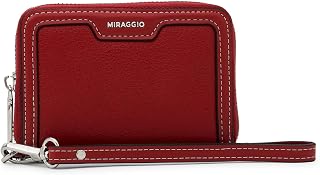


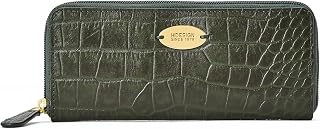


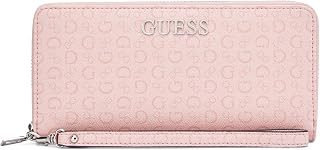


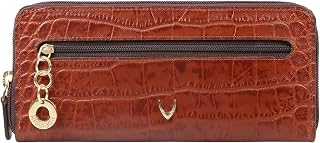


The right women’s wallet is more than a fashion accessory. It needs to balance everyday organisation, size, security, durability, appearance and the way you actually carry money and cards. In India, where wallets may need to accommodate bank cards, identification, cash, coins, receipts and occasionally multiple payment cards, the best design depends heavily on personal use.
For 2026, shoppers should look beyond colour and appearance when comparing women’s wallets. Pay attention to the number and layout of compartments, card-slot construction, closure quality, material, stitching, dimensions, weight and whether the wallet fits comfortably inside the handbags or backpacks you use most often.
Current wallet choices increasingly combine practical organisation with compact styling. Instead of choosing a wallet simply because it looks attractive in photographs, compare how its internal layout works with your daily essentials.
Material affects appearance, durability, maintenance and how a wallet develops with use. There is no single material that is automatically best for every shopper.
Genuine leather can provide a premium appearance and, when properly constructed and maintained, may develop a distinctive character over time. However, leather quality varies considerably. The label alone does not tell you everything about thickness, finishing, grain, edge treatment or construction quality.
When comparing leather wallets, inspect the product specifications carefully and look for clear information about the material rather than assuming that a premium-looking photograph guarantees premium construction.
Vegan leather and other synthetic materials are widely used for women’s fashion accessories because they can offer a consistent appearance and a broad range of colours and textures. Their long-term performance varies according to the material and manufacturing quality.
Pay particular attention to the finish around frequently handled edges, corners and fold lines. These areas experience repeated bending and rubbing and can reveal wear sooner than less-used surfaces.
Fabric wallets can be lightweight and casual, making them useful for everyday or travel-oriented use. They may also be easier to coordinate with sporty or relaxed outfits. However, cleaning requirements and resistance to moisture can differ substantially between fabrics and finishes.
Metallic finishes, prints, logos, quilting, decorative hardware and embellishments can make a wallet visually distinctive. For frequent daily use, examine whether decorative elements are securely attached and whether the hardware adds unnecessary weight.
Wallet dimensions should be evaluated alongside your handbag rather than in isolation. A wallet that appears reasonably compact may still occupy considerable space once filled with cards and cash.
Do not select a wallet solely because it advertises a large number of card slots. More slots can be useful, but filling every compartment can make the wallet thicker than expected and place unnecessary strain on the material.
Separate the cards you use every day from cards that only need to be carried occasionally. A wallet with fewer but well-designed slots may be more practical than a heavily compartmentalised design that becomes difficult to close when fully loaded.
Cash capacity deserves special attention when shopping in India. Check whether the main note compartment can accommodate commonly carried Indian currency notes without excessive folding or forcing the wallet closed.
Look at the actual internal dimensions rather than relying only on descriptions such as “large capacity.” A wallet can have numerous compartments while still having a relatively narrow note section.
If you frequently separate different denominations, compare wallets with multiple note compartments. If you mostly use UPI and cards, a single practical cash section may be sufficient and can help keep the wallet slimmer.
A dedicated coin pocket can be valuable for people who regularly carry coins, but it also increases the wallet's overall thickness. Consider your actual habits before prioritising this feature.
The closure is one of the most frequently used parts of a wallet. Compare the construction of the closure as carefully as the exterior material.
A zip-around or zip compartment can keep the wallet contents enclosed and is particularly useful for wallets containing coins or multiple small items. Check whether the zipper path appears smooth and whether the pull is practical for repeated use.
Snap closures provide quick access and can work well on bifold and trifold designs. Look for a closure that holds the wallet securely without requiring excessive force.
Magnetic closures can provide a clean appearance and convenient access. The strength and construction should still be considered, especially if the wallet will be heavily loaded.
Minimalist card holders may have no conventional closure at all. These are best for shoppers who want quick access and carry relatively few items.
Exterior appearance can hide weaknesses in construction, so inspect close-up product photographs and specifications whenever possible. Consistent stitching, clean edges and secure attachment of hardware are useful indicators to examine before purchase.
Some wallets are marketed with RFID-blocking features. This can be an additional consideration for shoppers who want a wallet designed to reduce certain types of contactless card scanning. However, RFID protection should not be treated as a substitute for normal payment-card security practices.
If RFID protection is important to you, check the manufacturer's stated specifications and understand which compartments or materials are intended to provide the protection. Do not assume that every compartment of every wallet provides identical coverage simply because the product description uses the term “RFID.”
Colour is ultimately a personal preference, but practical considerations can make certain finishes easier to live with. Black, brown, tan, navy and other darker shades can coordinate easily with a wide variety of handbags and clothing, while pastel, bright and printed designs can provide a stronger fashion statement.
Consider how the wallet will look against the interior of your handbag. A highly distinctive colour can also make it easier to locate quickly inside a larger bag.
For a versatile everyday purchase, choose a design that works with several bags rather than matching only one outfit or occasion.
Prioritise organised card storage, a practical note compartment, durable construction and a design that fits neatly inside your everyday handbag or work tote. Neutral colours and understated finishes are generally versatile choices.
A compact, lightweight wallet can be more practical than a large formal design. Look for enough card storage for identification and payment cards while keeping unnecessary bulk to a minimum.
Travel-oriented shoppers may benefit from multiple compartments, secure closures and enough capacity for identification, cards, cash and small documents. A wristlet or zip-around design may also be convenient when carrying fewer belongings outside a handbag.
A slim card holder or compact bifold can be sufficient if most payments are digital. Avoid paying for numerous compartments that you will never use.
If you regularly carry more cash, cards, receipts and loyalty cards, capacity and organisation should take priority over ultra-slim dimensions.
A useful comparison should consider the entire ownership experience rather than one headline feature. Before selecting a wallet, compare these factors side by side:
Brand recognition can be useful as a starting point, but it should not replace product-level comparison. Depending on your preferred style and budget, shoppers in India may come across brands such as Lavie, Baggit, Caprese, Hidesign, DailyObjects, Allen Solly, Tommy Hilfiger, Fossil, Michael Kors and Guess.
Different brands target different combinations of fashion, materials, construction, capacity and price positioning. Always compare the exact model rather than assuming that every wallet from a particular brand has the same quality or features.
Photography can make a wallet appear larger, smaller, thicker or thinner than it is. Always check listed dimensions and interior photographs.
A wallet may look slim when empty but become bulky after adding cards, cash and coins. Consider how much you realistically carry rather than the empty product profile alone.
Additional pockets sound useful, but unnecessary compartments can increase size and make the wallet harder to organise. Match capacity to your actual belongings.
Zippers, snaps, clasps and decorative metal components receive repeated handling. Inspect these details rather than evaluating only the material and colour.
An attractive exterior does not guarantee a useful internal layout. A wallet should make frequently used cards and cash easy to access.
Price can reflect branding, design, materials and other factors, but it is not a substitute for checking construction and specifications. Compare products according to the features that matter to you.
Customer reviews can provide useful information that may not be obvious from specifications, but they should be interpreted carefully. Look for recurring patterns rather than relying on one unusually positive or negative comment.
One of the simplest ways to avoid an unsuitable purchase is to measure your most frequently used handbag before ordering. Consider the opening, internal compartments and available depth rather than only the bag's advertised dimensions.
For small crossbody bags, prioritise compact dimensions and a slim profile. For large tote bags, you can usually prioritise capacity and organisation. If you frequently switch handbags, a medium-sized neutral wallet can provide a more flexible compromise.
Proper care can help preserve the appearance and functionality of a wallet. The correct method depends on the material, so always follow the care instructions supplied for the specific product.
There is no fixed replacement schedule. Replace a wallet when its condition or design no longer meets your needs. Signs that it may be time for a new one include damaged closures, badly worn card slots, broken stitching, significant surface deterioration or insufficient capacity.
A wallet that remains structurally sound does not necessarily need replacing simply because a newer fashion trend has appeared. Conversely, a wallet that looks attractive but no longer securely holds your essentials may have reached the end of its useful life.
Instead of choosing a wallet solely by price, establish which features are essential and which are optional. A lower-cost wallet can be perfectly suitable when the construction and functionality meet your needs, while a premium wallet may make sense when material quality, brand preference, design or long-term use justify the additional cost.
Before purchasing, compare the current price, specifications, customer feedback and seller information across trusted retail listings. Prices and availability can change, so check the current listing rather than relying on an older price reference.
The best everyday wallet is not necessarily the largest, most expensive or most fashionable model. It is the one whose size, capacity, material, organisation and closure match the way you actually use it.
For most shoppers, the strongest buying decision comes from balancing four areas: practical capacity, comfortable portability, dependable construction and personal style. Once these requirements are clear, comparing individual products becomes considerably easier.
A bifold, compact long wallet or zip wallet can all work well for everyday use. The best choice depends on how many cards, notes, coins and other items you carry.
Neither format is universally better. Compact wallets are easier to carry in small bags, while larger wallets provide more room for cash, cards and organisation.
Leather, synthetic materials and fabric can all be suitable. Compare material quality, construction, maintenance requirements and expected use rather than selecting solely by material name.
RFID protection can be a useful feature for shoppers who specifically want it, but it is not the only factor that determines wallet quality. Check the product's stated RFID specifications before relying on the feature.
Choose enough slots for the cards you regularly carry without unnecessarily increasing the wallet's thickness. A smaller number of well-designed slots can be more practical than a wallet with excessive capacity.
Choose one if you regularly carry coins. If you primarily use digital payments and cards, eliminating the coin pocket can help keep the wallet slimmer.
Check dimensions, material, card capacity, cash compartments, closure type, interior layout, customer reviews, seller information and the current product specifications. These details provide a more useful comparison than photographs alone.
A compact card holder, slim bifold or small zip wallet is generally easier to fit into a compact handbag. Measure the available space before ordering if the fit is important.
A secure wallet with organised card storage, a practical cash compartment and a reliable closure can be useful for travel. The ideal capacity depends on how much cash, identification and payment cards you normally carry.
Not necessarily. Durability depends on materials, construction, stitching, hardware, usage and care. Compare the actual specifications and construction rather than assuming price alone determines longevity.
When comparing the latest women’s wallets in India in 2026, start with your daily routine rather than a trend or brand name. Decide what you carry, how much space you have, whether you need cash and coin storage, and how important compactness is. Then compare materials, construction, closures, organisation and customer feedback across the exact products you are considering.
For an independent buying decision, review current specifications and verified customer feedback before purchasing, and check today's price and availability at the retailer you choose. Fashion matters, but a wallet that remains comfortable, organised and durable in everyday use is ultimately the more useful choice.
Which direction fits your shopping goal best: compact wallets, premium leather wallets, or budget-friendly everyday wallets?